
Primary division
Traffic Data Analysis & Insights
100% manual analysis of the traffic footage you supply — every vehicle, pedestrian and cyclist counted by trained analysts, quality-checked and delivered in your formats.
Who we support
Built for teams that need dependable traffic data.

Transport consultants
Movement, classification and queue data for junction modelling, transport assessments and design work.
Survey companies
Analysis capacity for footage your teams have recorded, delivered in your own templates.
Public agencies
Structured, reviewable evidence for network planning, road safety and scheme evaluation.
Core services
Our most requested studies.
-
-
-
-
-
-
-
-
-


Our method
100% manual video analysis.
We do not use automated or AI-based counting. Every count is produced by trained analysts reviewing your footage — because careful human judgement handles the difficult situations where automated systems struggle.
Every vehicle counted by a person
Trained analysts review the footage and record each movement and class against your written rules. No automated detection, AI tracking or computer-vision counting is used.
Hard cases judged, not guessed
Occlusion, glare, night footage, unusual vehicles and congested junctions are interpreted by people — and anything that cannot be seen clearly is flagged.
Independently checked
A second reviewer checks completeness, consistency and reconciled totals, re-reviewing footage wherever figures look unusual.
Full catalogue
42 traffic study types, all counted manually.
If your study isn’t listed, describe it in your enquiry — most observations that can be seen clearly on video can be scoped and counted by our analysts.
Intersections & signals
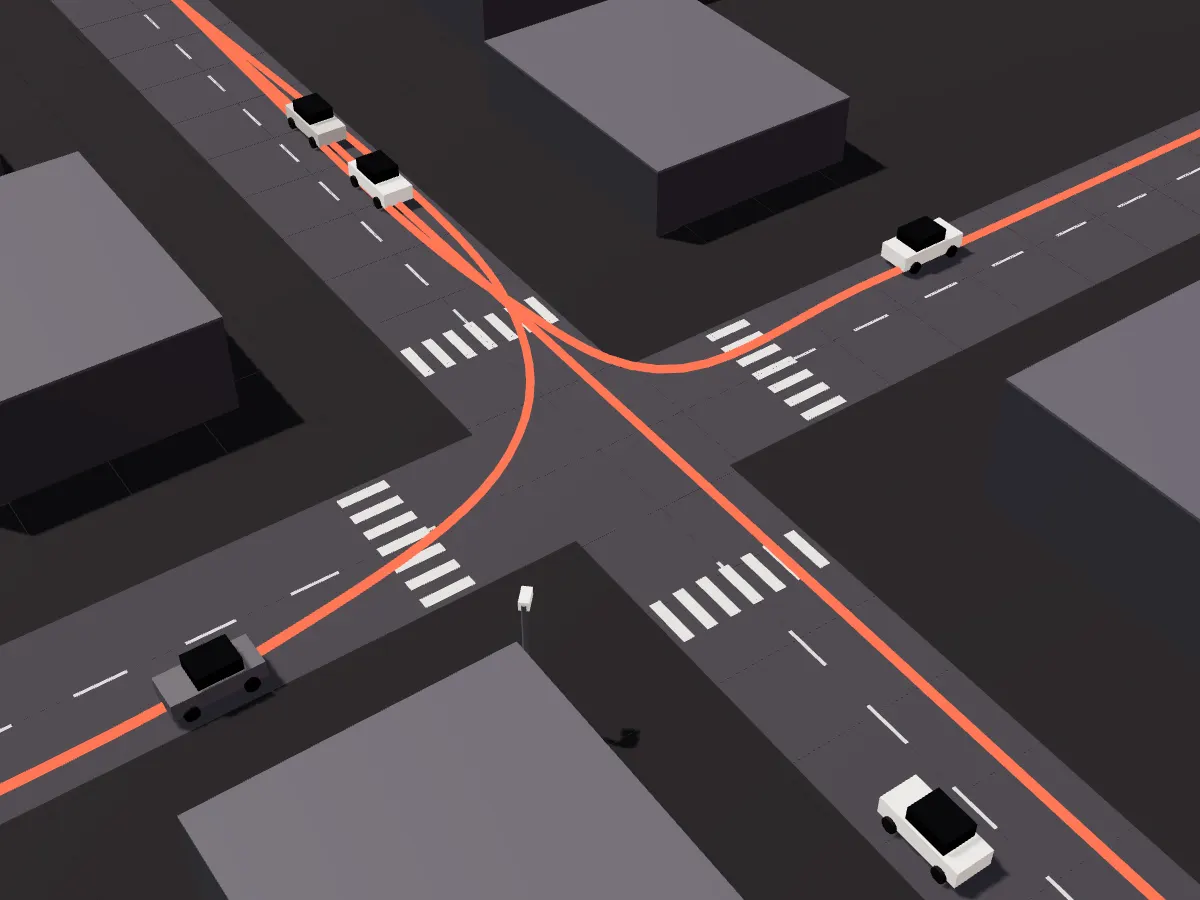
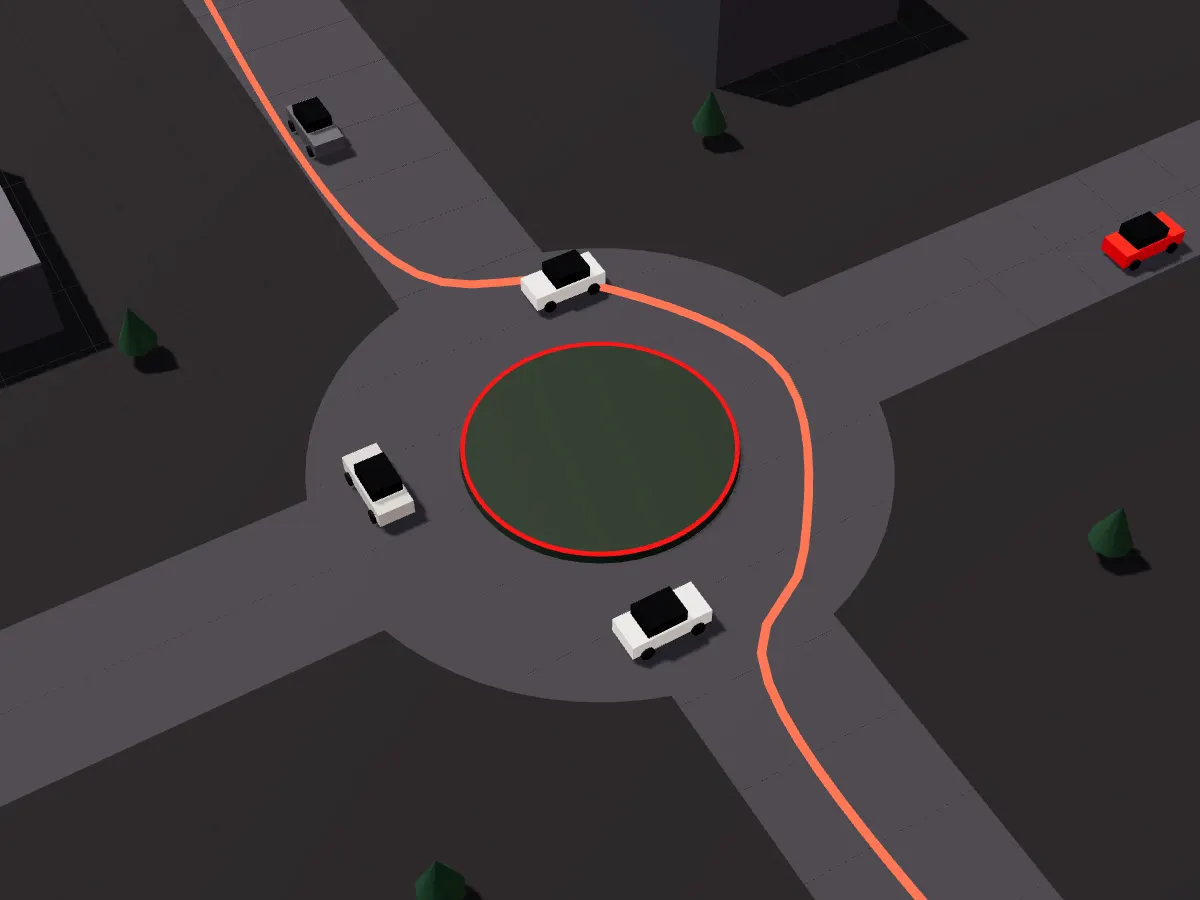
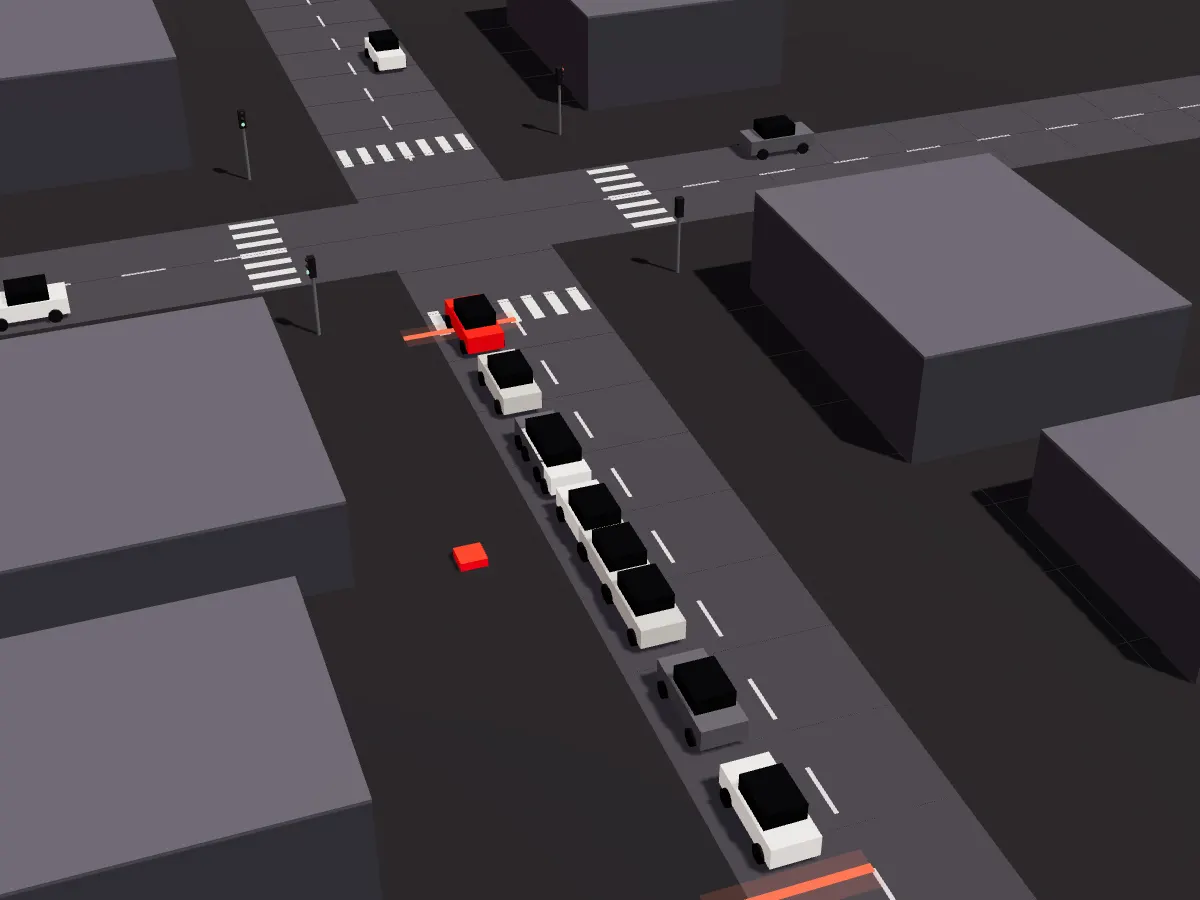
Movements, queues, capacity and behaviour at junctions and roundabouts.
Volumes & classification
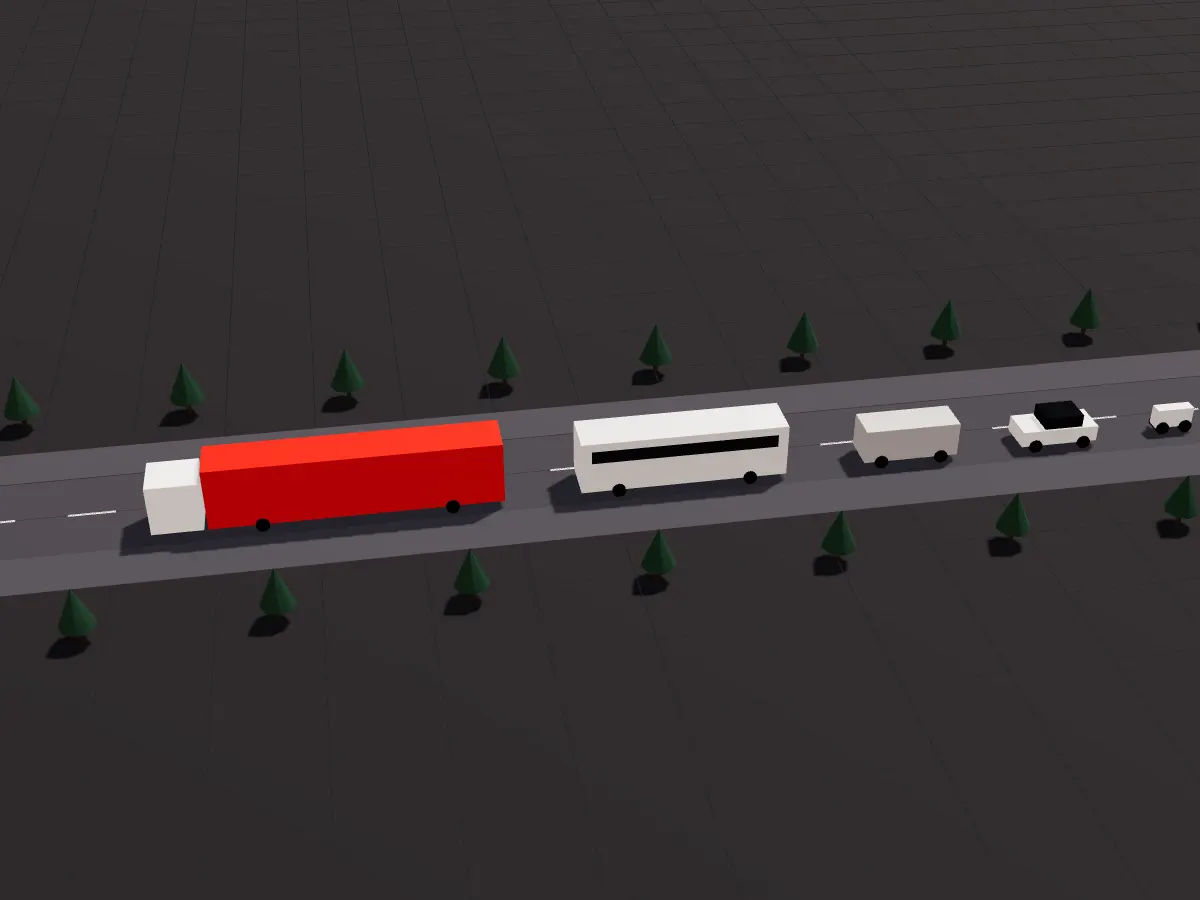
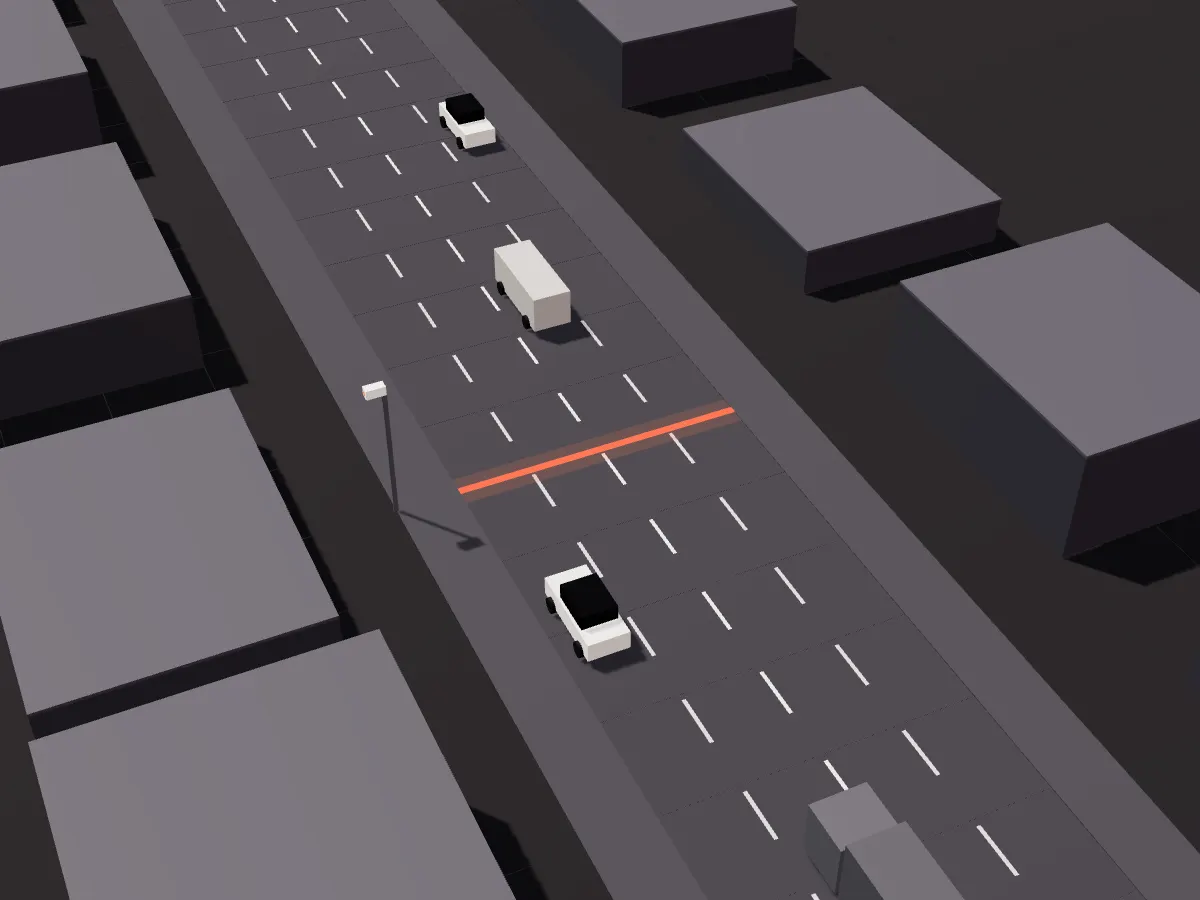
Link, mid-block and classified counts, plus validation of automatic counters.
Pedestrians & cyclists
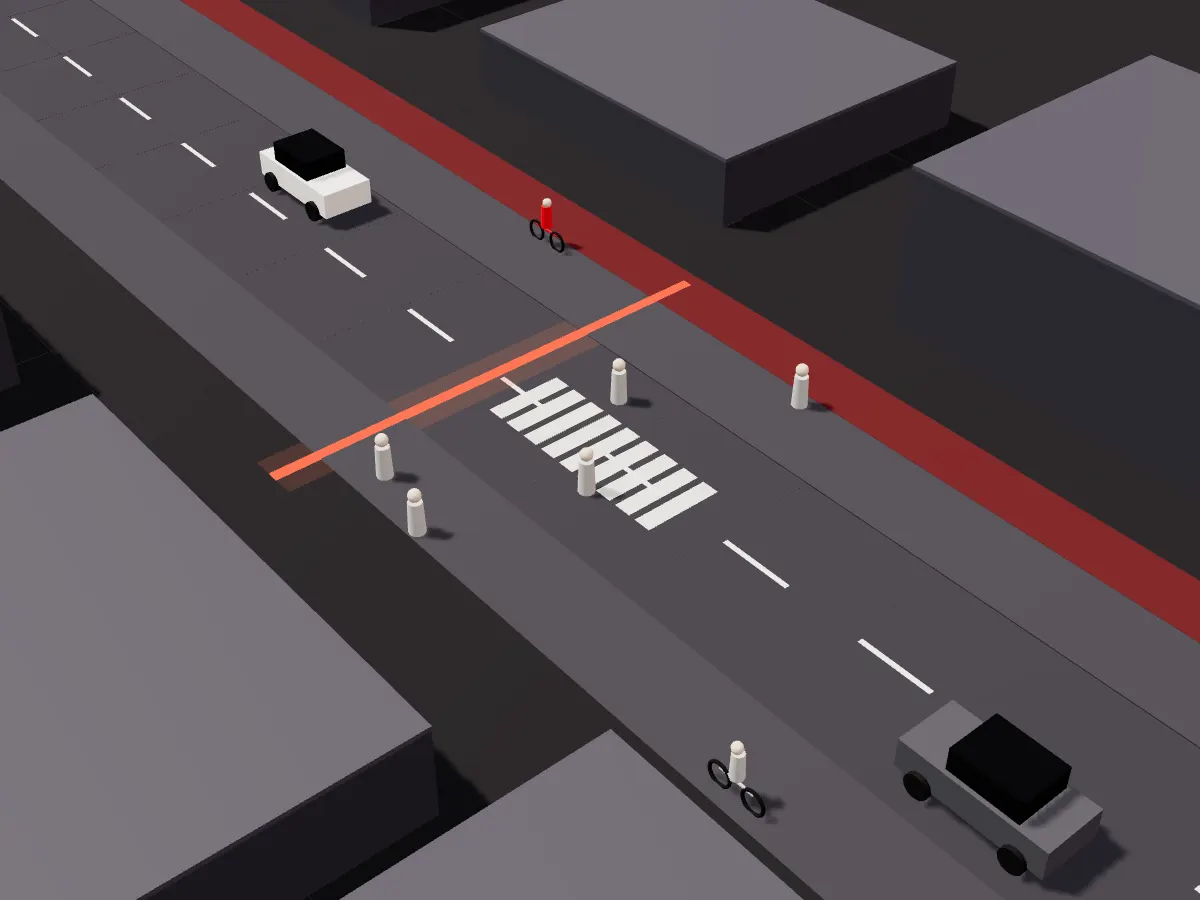
Walking, cycling, micromobility and crossing activity.
Origin–destination & journeys
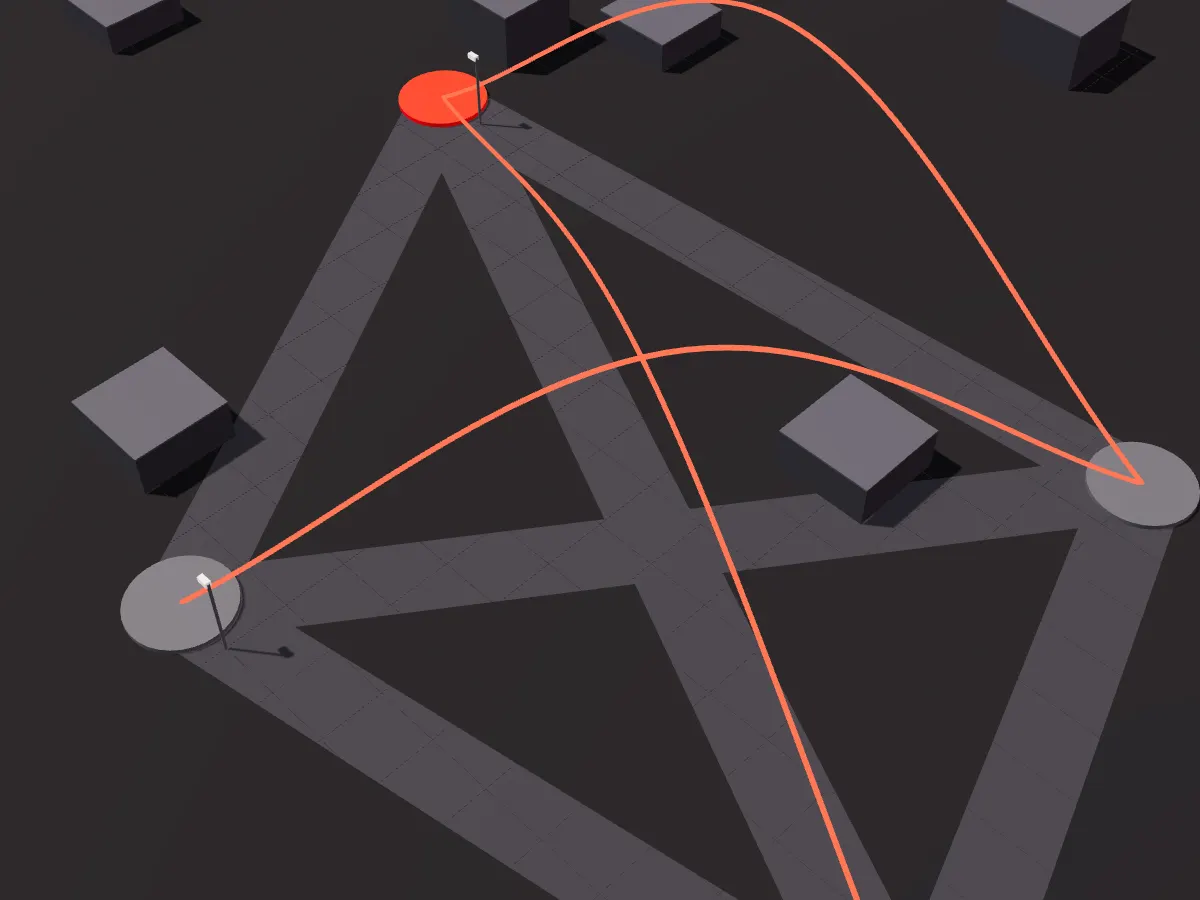
Matched movements, routes and travel times between sites.
Parking, kerbside & site access
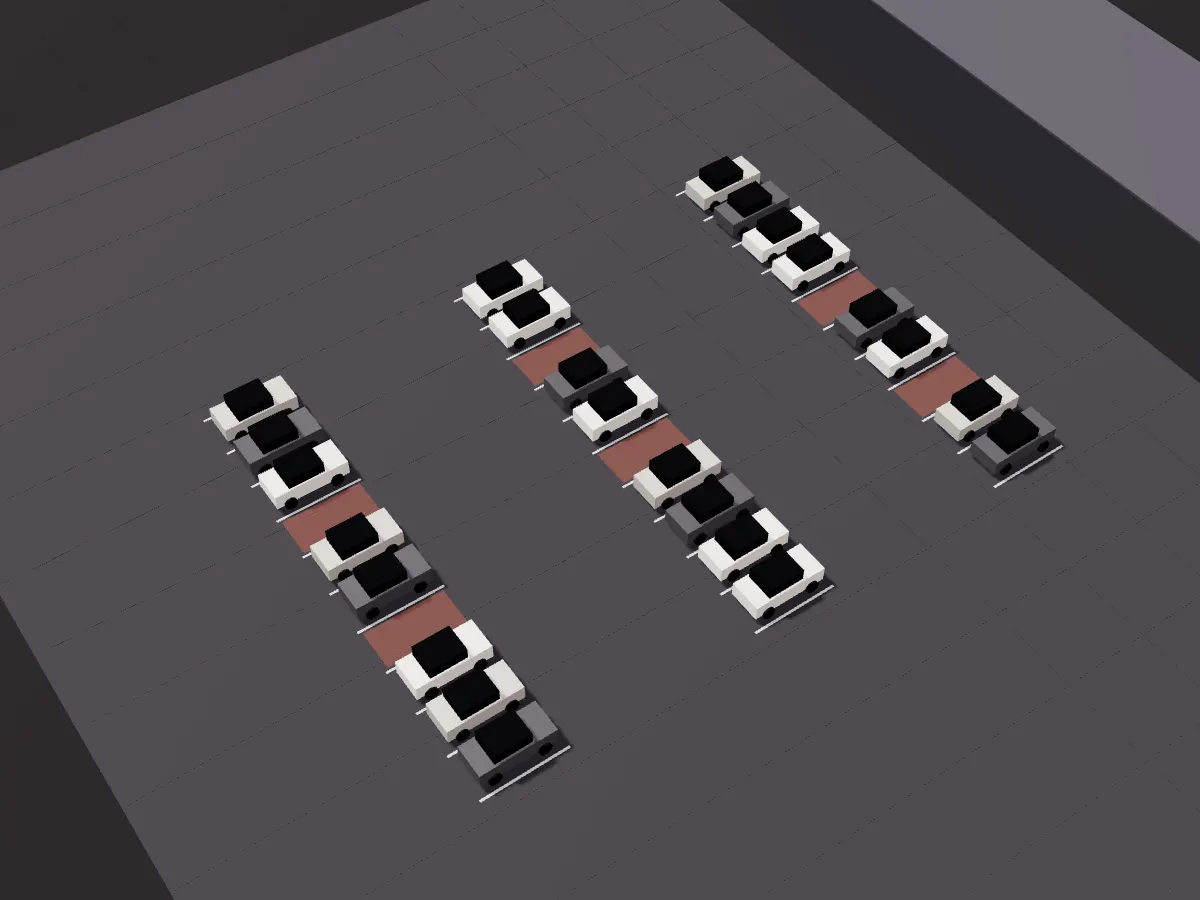
Parking, servicing, drop-off and development trip studies.
Public transport & stations
Occupancy, boarding and access around buses, rail and metro.
Road-user behaviour
Observed compliance and safety-related behaviour.
Data services
Video analysis, reporting and independent quality control.
Workflow
Client shares footage → scope confirmed → analysis → quality checks → reports delivered.
The same five steps on every project, with the scope agreed in writing before analysis starts.
- 01
Share your footage
Tell us about the sites, recording period and study purpose. Footage is transferred through a method agreed for your project — never through the public website form.
- 02
Scope confirmed
We confirm locations, movements, class scheme, intervals, output template and any exceptions in writing before analysis begins.
- 03
Analysis
Trained analysts manually count the footage against the agreed movement and class rules — no automated or AI counting — producing structured interval data.
- 04
Quality checks
A separate review checks completeness, consistency and totals against the scope; corrections are made where required.
- 05
Reports delivered
You receive the agreed tables, summaries and notes in your chosen format, with any limitations clearly recorded.
Inputs & outputs
What we need, and what you receive.
Inputs
- Footage or source data you supply, with the recording period and time zone
- Site list with a labelled view or sketch for each camera
- The study purpose and any client or authority specification
- Required reporting interval and output template, if you have one
Video analysis vs on-site recording. Our confirmed service starts from footage you supply. If footage still needs to be recorded, tell us in your enquiry — recording arrangements are discussed separately and never assumed in a quote.
Deliverable formats
- Excel-compatible workbooks
- CSV files
- Movement matrices
- Classification tables
- Lane-by-lane counts
- Time-series outputs
- Summary reports
- QA/QC notes
- Your own project template
Classification options
- Simple
- Light / heavy, or cars / commercial / heavy vehicles
- Standard
- Motorcycles, cars, vans, buses, rigid and articulated trucks
- Your scheme
- Any client or authority class dictionary, applied as written
- Active travel
- Pedestrians, bicycles, e-scooters and other defined modes
Quality checks
- Completeness of sites, periods, intervals, approaches and movements
- Missing or duplicate intervals and unexpected zeros
- Unusual spikes reviewed against the footage
- Movement and class totals reconciled
- Structural consistency with the agreed template
- Final delivery review before release
Checks applied depend on the agreed scope. Limitations are recorded in the delivery notes rather than estimated silently.
FAQs
Common questions.
Do you use automated or AI-based counting?
No. All counting is 100% manual: trained analysts review your footage and record every movement and class against the agreed rules, and a second reviewer checks the results. We do not use automated detection, AI tracking or computer-vision counting.
What footage do you need?
A stable camera view in which every approach, lane, count line or parking area in the study is visible, with a reliable timestamp. Tell us the recording period, time zone and any known gaps or camera changes. Common video formats are accepted; we confirm suitability when we review a sample.
Do you record the footage, or analyse footage we supply?
Our confirmed service is the analysis of footage you supply. If your footage has not been recorded yet, say so in your enquiry — we can share what a usable recording needs, and any recording arrangement is discussed separately and never assumed in a quote.
How is the scope agreed?
Before analysis starts we confirm, in writing, the sites, movements, vehicle classes, reporting intervals, output template and how exceptions such as obscured views will be treated. Analysis does not begin until scope is agreed.
Which vehicle classifications can you use?
Anything from a simple light/heavy split to a detailed scheme such as motorcycles, cars, vans, buses, rigid and articulated trucks — or your own client or authority class dictionary, applied as written. Finer classes depend on what the footage can show clearly.
What formats are deliverables provided in?
Typically Excel-compatible workbooks or CSV files containing movement matrices, classification tables, lane-level counts or time-series data, with summary tables and QA notes. If you have a project template, send it with the scope and the output will follow it.
How long does analysis take?
It depends on the hours of footage, number and complexity of sites, movement and class detail, interval, footage quality and required checks. We confirm a delivery date once we have reviewed the footage and agreed the scope — we do not quote a universal turnaround.
How do quotations work?
Send the study type, number of sites, approximate hours of footage, class scheme and required deadline using the quote form. We review the brief, ask any clarifying questions and reply with a scoped quotation. There is no obligation.
How is our footage and data handled?
Client footage, project information and deliverables are treated as confidential project material. They are used only for your project and are never used as public marketing material without your authorisation.
Ready to scope your study?
Share the study type, sites and approximate footage hours. We’ll confirm scope and reply with a quotation.